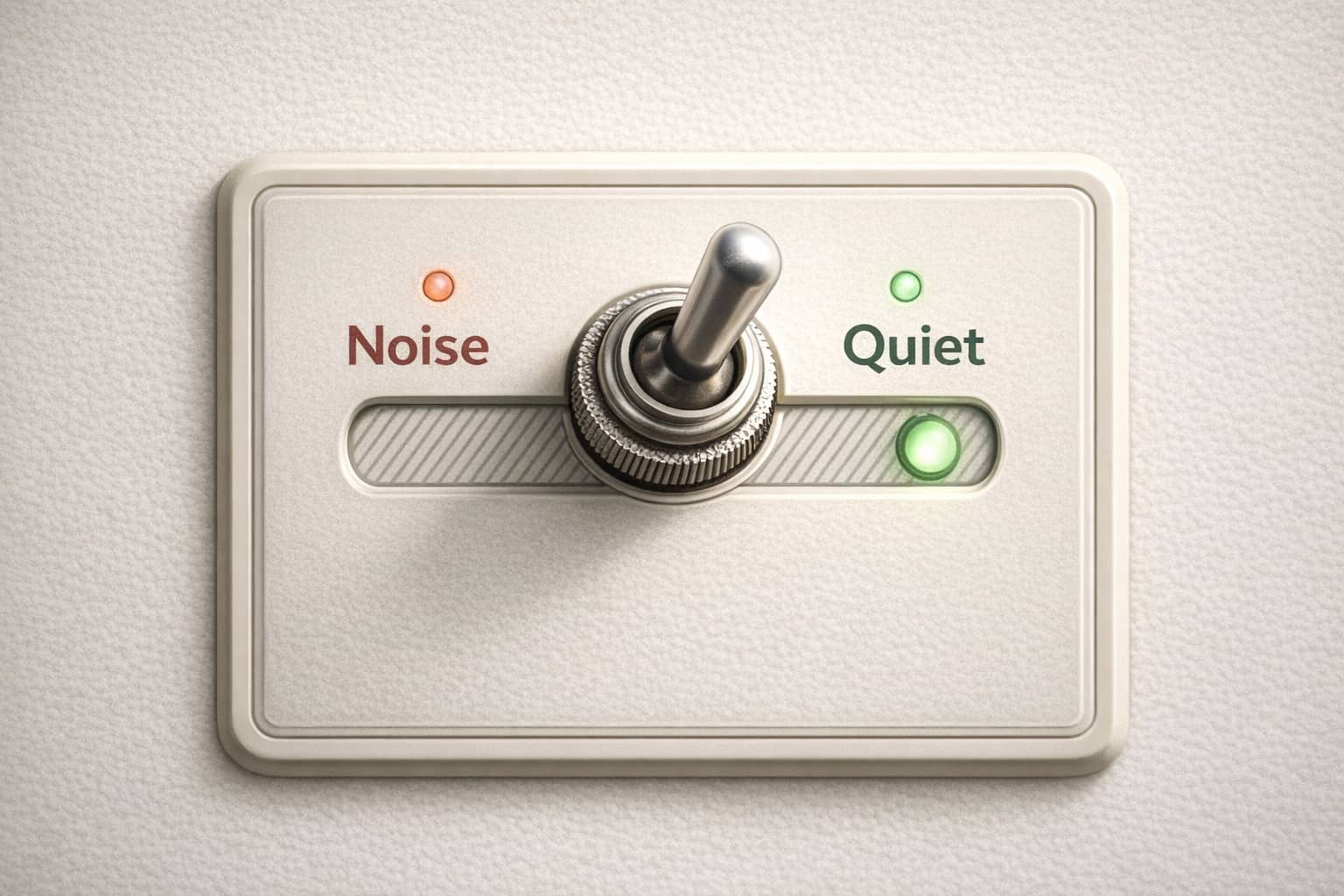
What Clutter Is Quietly Doing to Your Brain (That You Never Notice)
Not big decisions. Tiny ones. Hundreds of them. The exhaustion feels “normal” because it’s constant.
it exhausts you because it never stops asking questions.
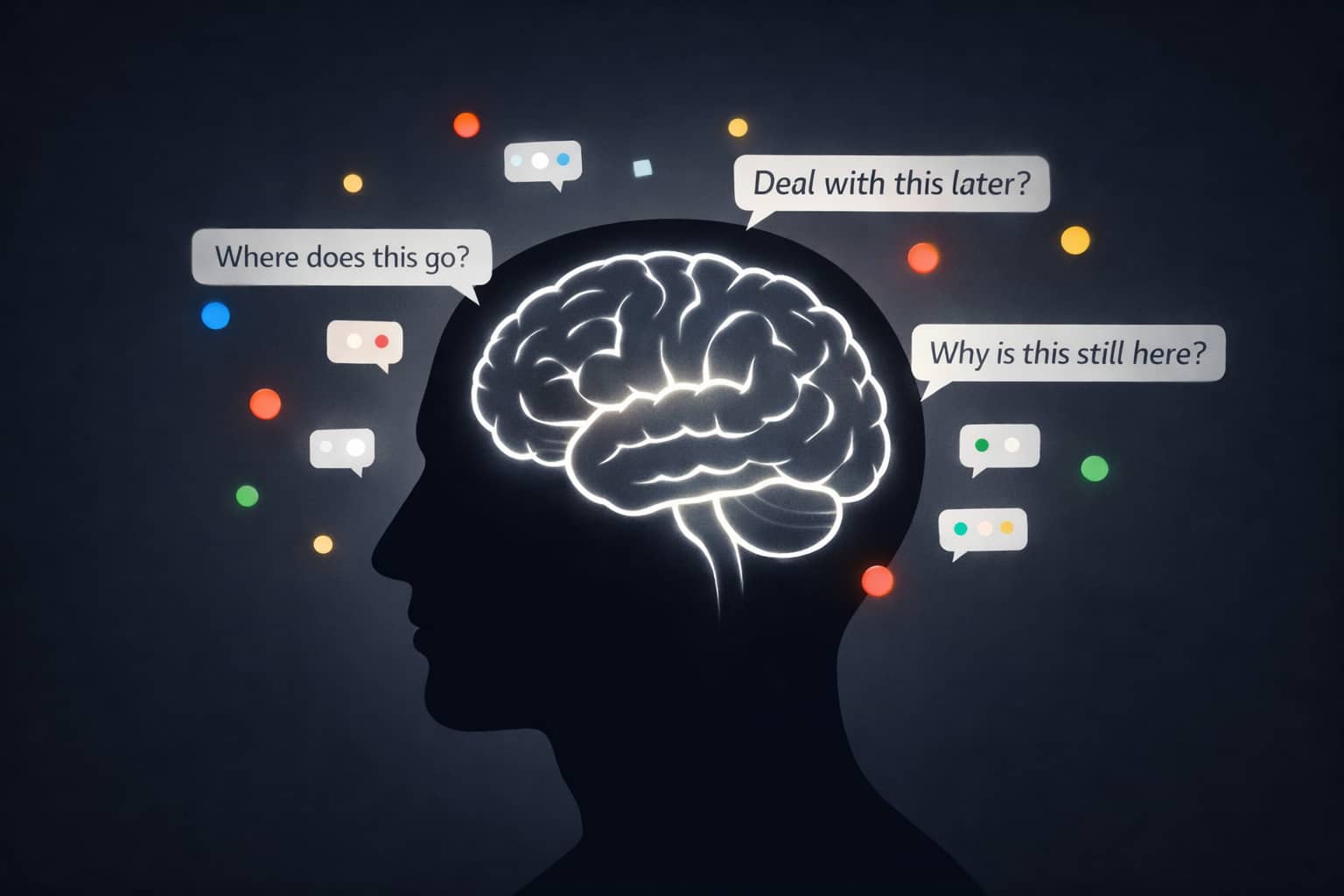
Your Brain Is Making Decisions You Never Notice
Not big ones. Tiny ones. Each unfinished object becomes a quiet prompt that your attention has to “touch.”
They feel like… background.
Every Object Asks a Question
One question is harmless. Hundreds are not. A cluttered space becomes a grid of open loops.
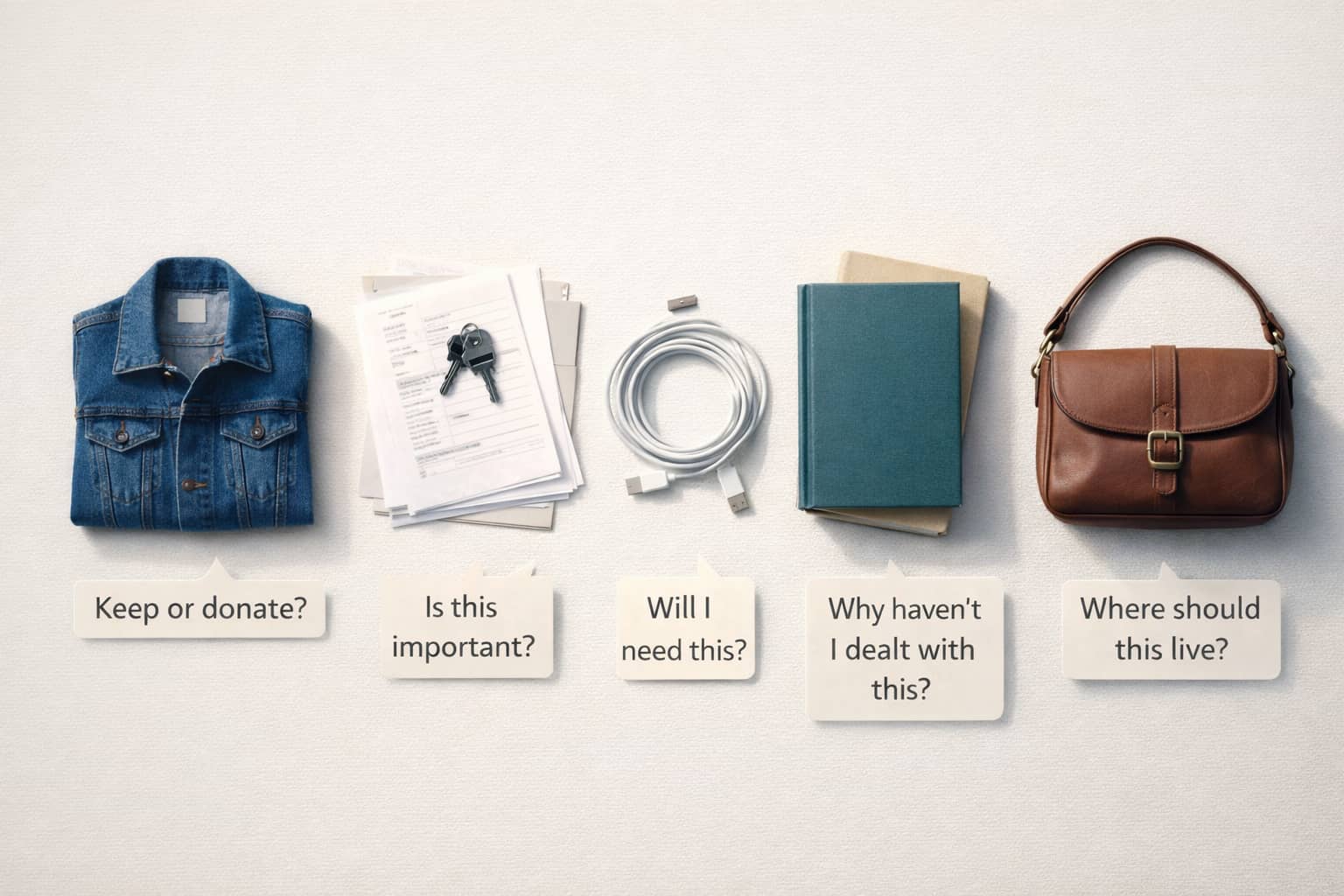
Hundreds are not.
What This Does to Your Brain
The space isn’t just “busy.” Your attention is doing constant, low-level triage.
Attention Fragmentation
Your focus keeps getting pulled—without you realizing it.
Decision Fatigue
Your brain stays in “open loop” mode.
Baseline Stress
Your nervous system never fully stands down.
It’s neurological.”
Why the Calm Feels Mysterious
People feel calmer, but can’t explain why—because nothing “dramatic” happened. The interruptions just stopped.
- Brain constantly bracing
- Low-level irritation normalized
- Rest doesn’t fully rest
- Fewer prompts
- Fewer decisions
- Nervous system steps off “background alert”
Your brain just stopped being interrupted.
Why People Think Decluttering “Didn’t Work”
Most people look for a visual transformation. But the real win is internal: reduced friction.
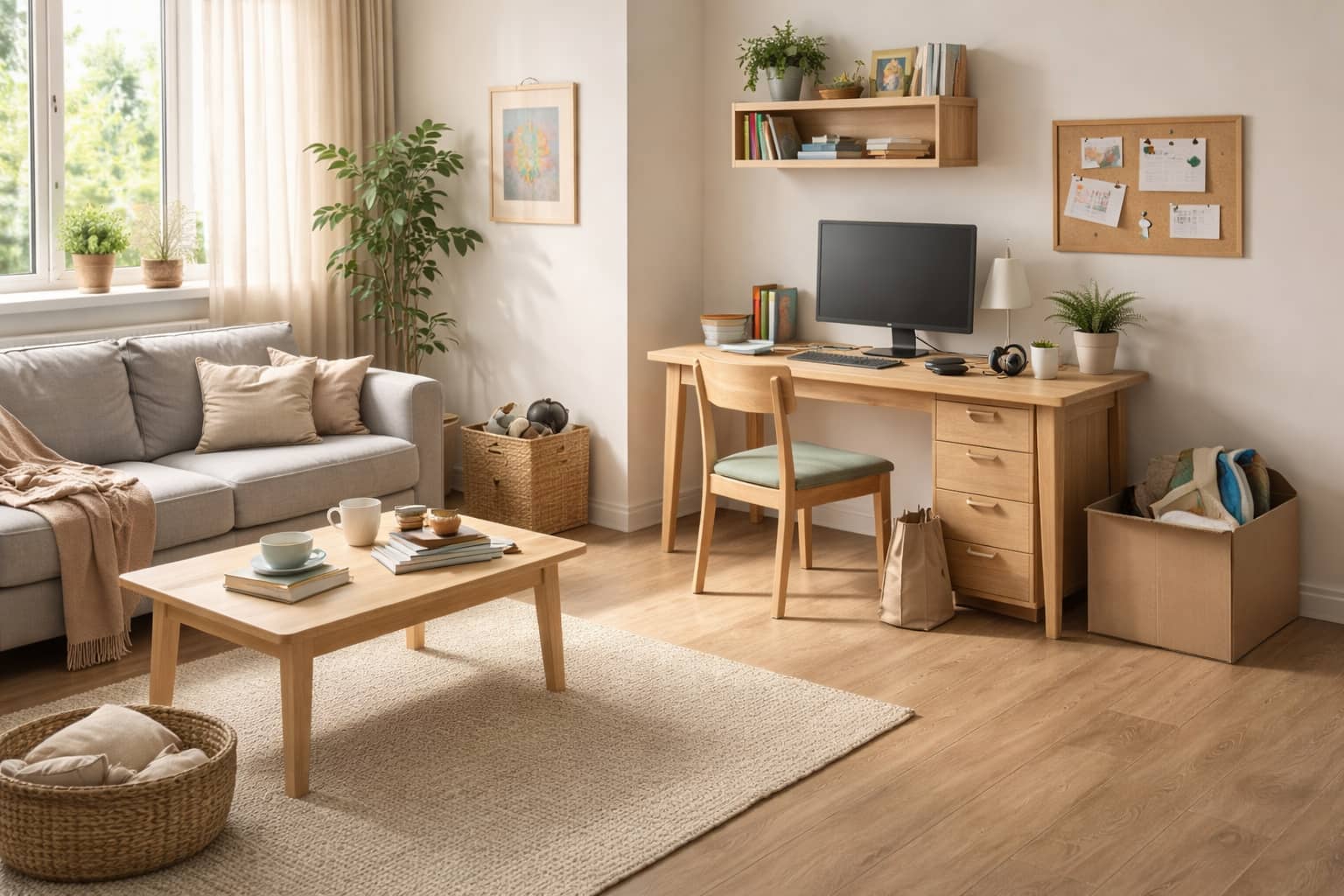
But the brain feels lighter
People look for
- Visual transformation
- Emotional high
- Motivation surge
What actually happens
- Reduced friction
- Mental quiet
- Steadier energy
Once You Notice This, You Can’t Un-Notice It
After experiencing a low-noise environment, clutter feels louder than before. Delay feels heavier. Friction stops feeling normal.